Module 1: Spatial evidence for restoration decision-making
Using maps and spatial indicators for evidence-based restoration
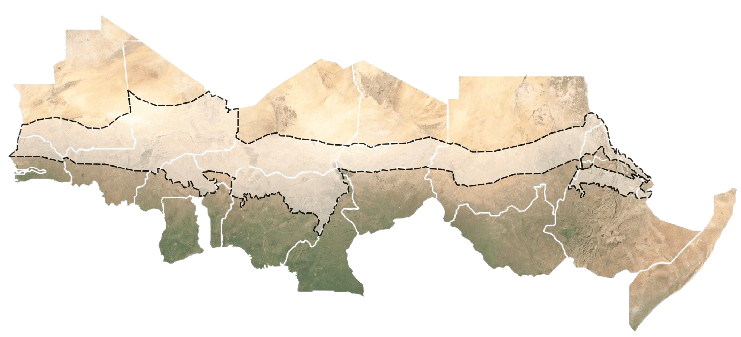
This module introduces spatial evidence in plain language and explains why it is useful for restoration decision-making across the Great Green Wall.
In practice, restoration programmes are faced with many constraints from limited budgets, limited time, and access to information and support tools. Spatial evidence and data help decision-makers more effectively and efficiently manage resources, both financial and material, by supporting choices about where to act, what to do, and how to track progress.
In this module
Explore how different stages of the restoration cycle create different evidence needs.
Understand what spatial evidence adds to restoration planning, prioritisation, monitoring and reporting.
Consider how spatial evidence is produced, interpreted and used responsibly.
What you will learn
By the end of Module 1, you should be able to:
Explain how spatial evidence supports decisions across the restoration cycle.
Describe why science-based spatial evidence helps address common challenges in restoration decision-making, such as limited time, resources, and information.
Explain why understanding how spatial evidence is produced and interpreted can make you a more effective restoration practitioner, and support more transparent and accountable decisions.