Great Green Wall Week — Djibouti 2026
Knowledge management, digital tools and evidence-based restoration decision-making
Great Green Wall Week 2026
Strengthening knowledge management, digital tools and evidence-based decision-making for Great Green Wall implementation - Djibouti, February 2026
Key takeaways
- The week reinforced knowledge management as a central pillar for Great Green Wall implementation, linking evidence, communication, accountability and resource mobilisation.
- The K4GGWA team presented the platform as an integrated knowledge management and geospatial decision-support tool, with a practical group exercise using platform evidence to inform a hypothetical restoration decision.
- Dedicated sessions on digital platforms, field tools and the Regreening App highlighted how geolocated data, citizen science and open knowledge resources can strengthen monitoring, coordination and learning across the GGW region.

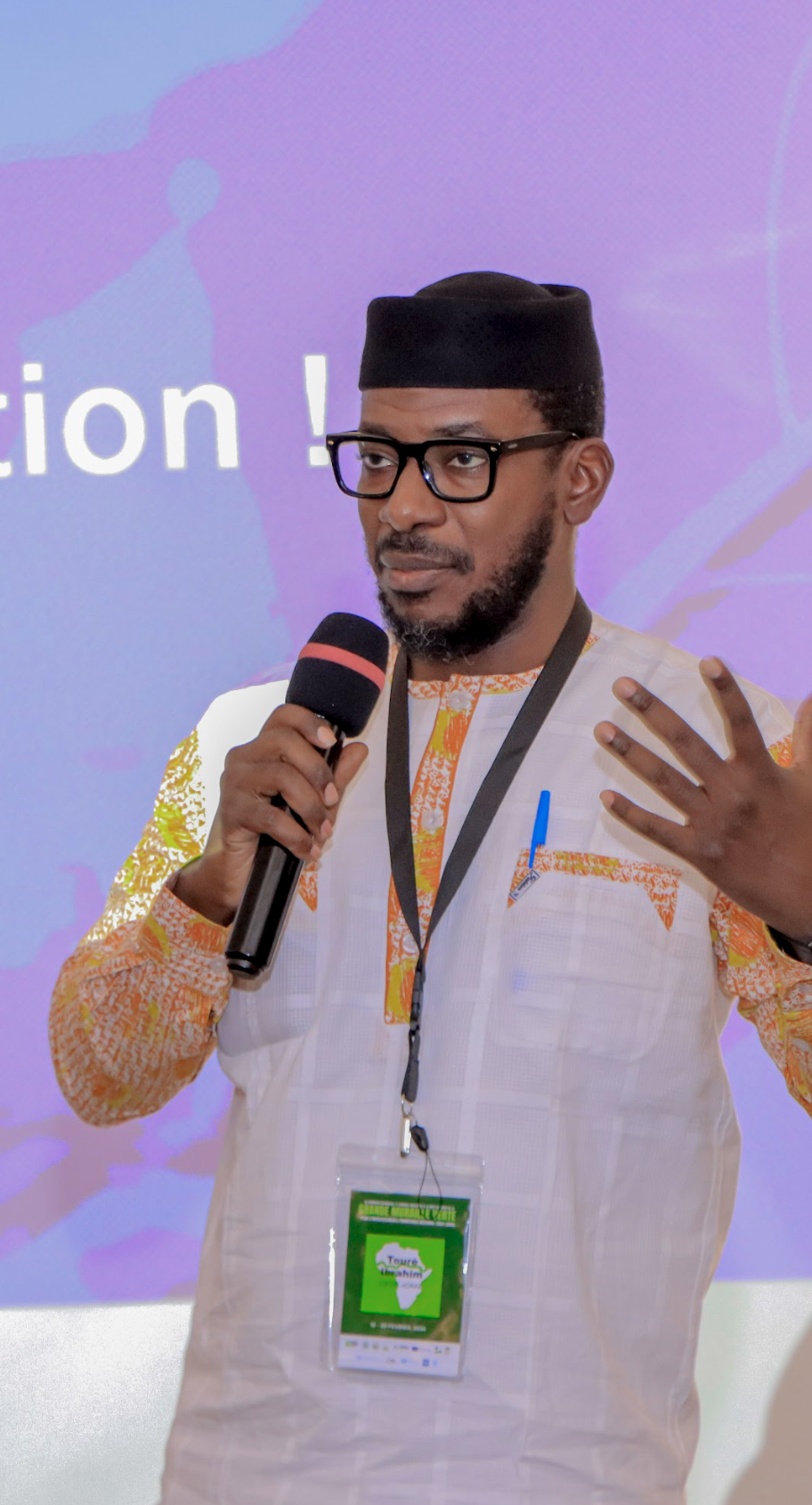
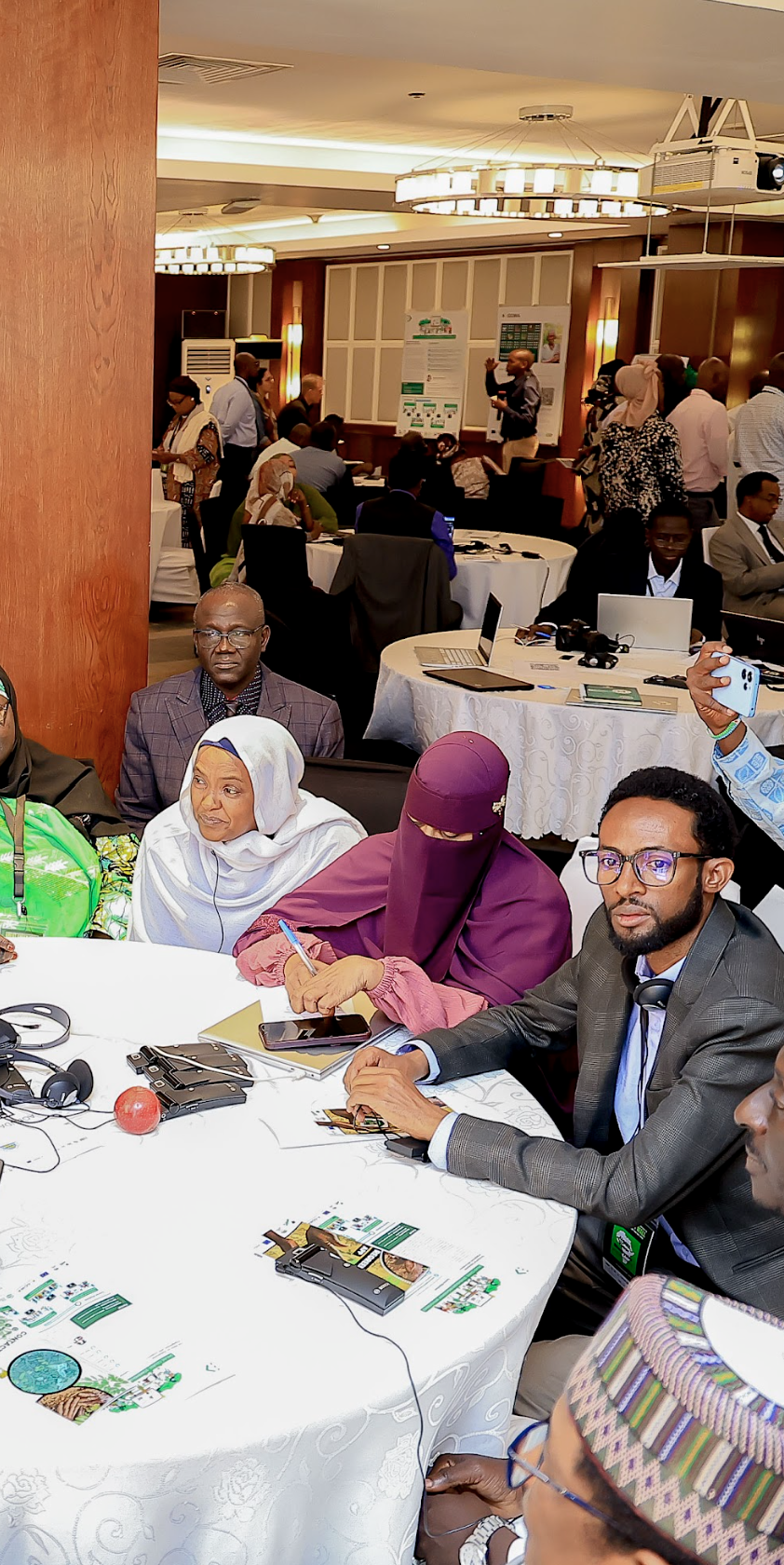
Photos from the Week pon the Great Green Wall and Residential Seminar
Workshop overview
The 2026 Great Green Wall Week in Djibouti brought together national Great Green Wall agencies, the Pan-African Agency of the Great Green Wall, technical and financial partners, research organisations, civil society actors, women’s platforms, youth representatives and innovators. The week was designed to support collaboration and implementation across the region by sharing lessons, identifying gaps and opportunities, and strengthening capacities in areas such as knowledge management, communications, online platforms and the Regreening App.
The event opened with a strategic orientation on the role of the Great Green Wall as both an environmental restoration initiative and a wider development framework for resilience, livelihoods and sustainable land management. National delegations then shared implementation progress, including updates on restoration activities, governance arrangements, national coalitions and persistent challenges such as financing gaps, limited technical capacity, coordination barriers and the need for stronger monitoring and evaluation systems.
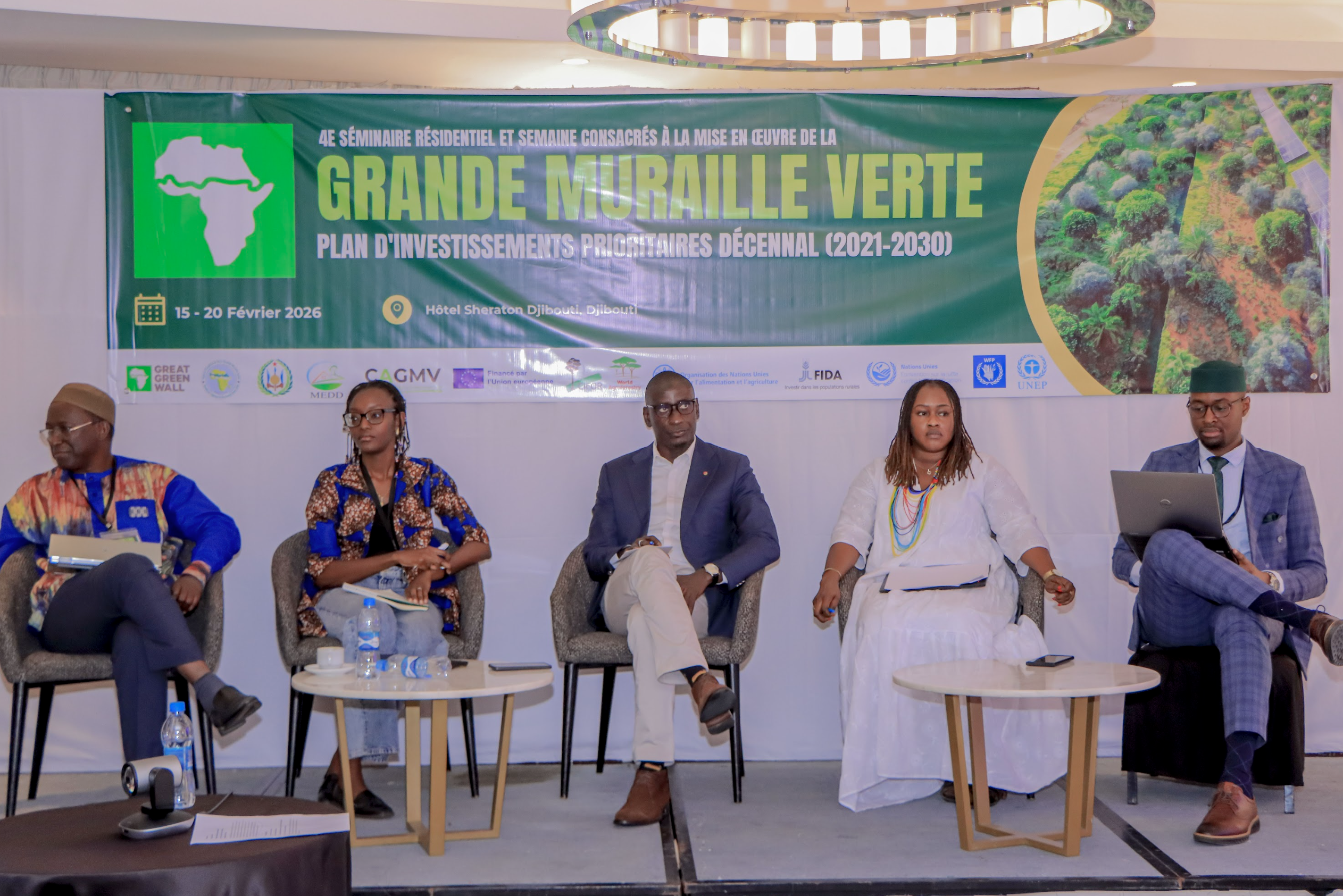
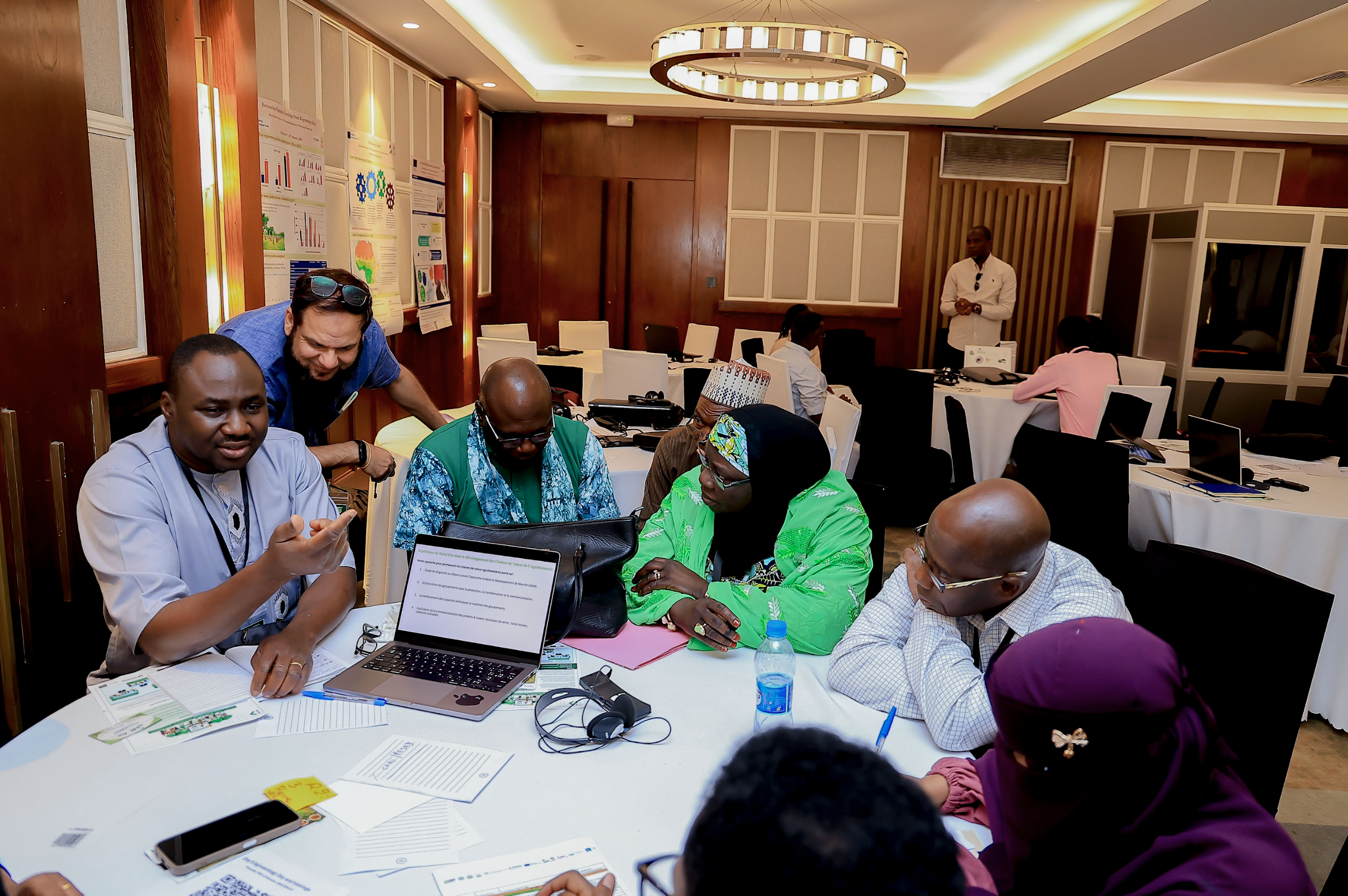 Practical sessions dedicated to the K4GGWA Platform
A central focus of the week was the role of knowledge management and communication in accelerating Great Green Wall implementation. Sessions explored how countries and partners can better capture experiences, document results, communicate impact and use evidence to support planning, reporting and investment mobilisation. Discussions emphasised that credible, geolocated and transparent data are essential for demonstrating impact and for strengthening confidence among governments, communities, donors and investors.
Showcasing the K4GGWA platform as a practical tool for restoration decision-making
Within this agenda, the K4GGWA team presented the K4GGWA platform as an integrated knowledge management and geospatial decision-support tool. The session introduced participants to the platform’s structure, including restoration stories, learning resources, dashboards and predictive maps. A practical group exercise invited participants to use the platform to respond to a hypothetical restoration decision-making scenario: groups navigated the site, explored different types of evidence, interpreted geospatial layers and considered how predictive maps and contextual information could support restoration planning, prioritisation and communication.
This exercise helped position the platform as a practical tool for making decisions. Participants were encouraged to think about how spatial evidence can support different stages of the restoration decision cycle - from understanding landscape conditions and identifying priority areas, to communicating results and supporting monitoring, reporting and learning. The discussion also highlighted the importance of making evidence usable for diverse audiences, including national agencies, technical staff, practitioners, communicators and partners working across the Great Green Wall region.
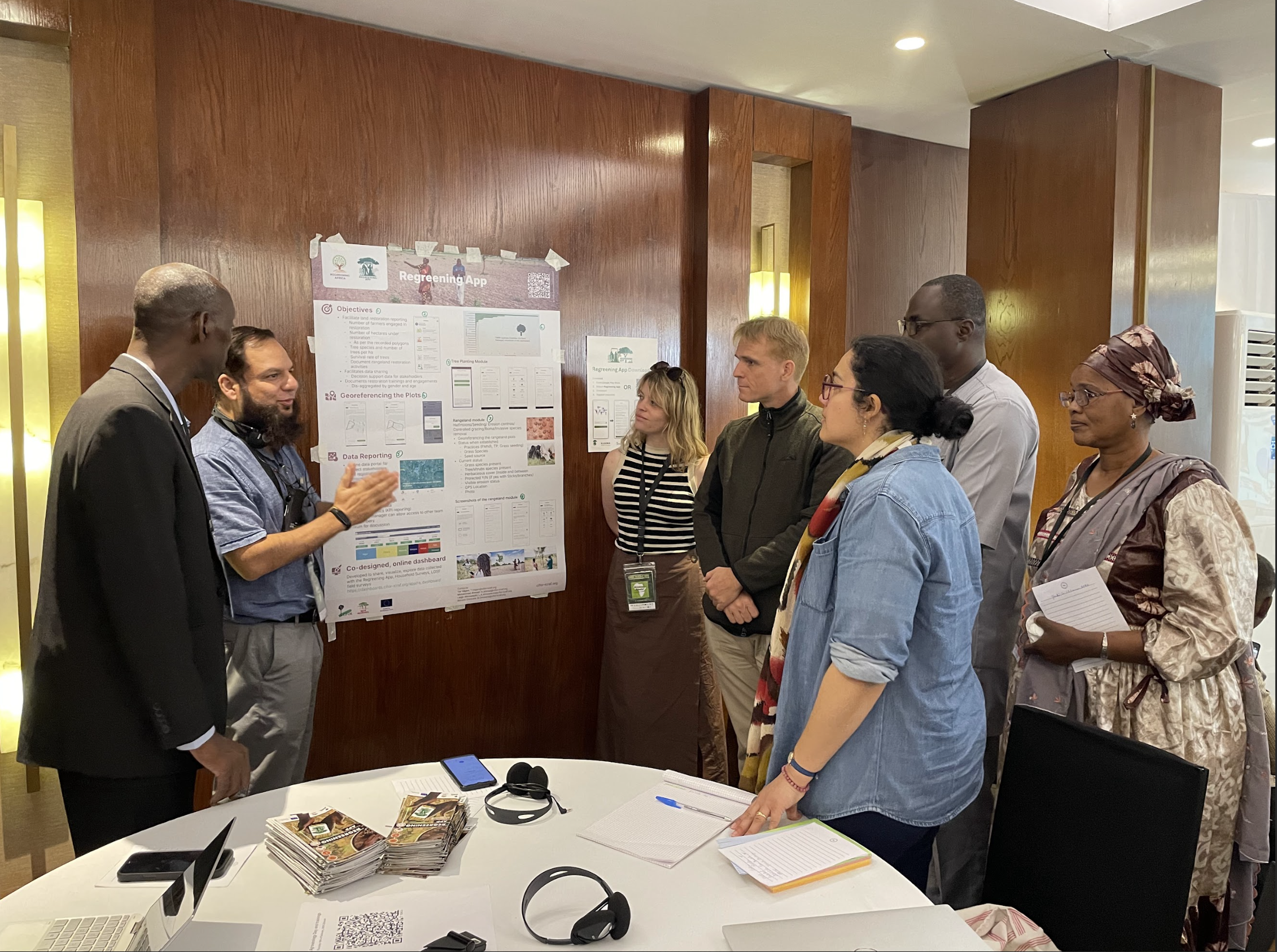 Regreening App Station
The week also included dedicated sessions on digital platforms and tools. These sessions explored how online learning resources, project monitoring platforms, geospatial dashboards and field data systems can complement one another when they are supported by clear governance, strong data quality processes and active user engagement. Participants discussed the need for digital tools to be paired with learning support, training and institutional ownership so that platforms become part of day-to-day planning and coordination rather than standalone products.
The Regreening App: connecting field-collected data with regional knowledge systems
A further session focused on the Regreening App, a mobile tool used to document restoration interventions and support field-based monitoring. The session introduced the app as a way to collect geolocated information on restoration activities, species, site context and management practices. By connecting field observations with wider monitoring and reporting systems, the Regreening App can help strengthen traceability, support adaptive management and make local restoration efforts more visible within regional knowledge systems.
Across the week, consistent messaging was that the Great Green Wall needs connected systems for evidence, communication, coordination and learning. For K4GGWA, the event provided an important opportunity to demonstrate how the platform, dashboards, learning resources and Regreening App can work together as part of a wider knowledge and decision-support ecosystem for restoration across the Great Green Wall.
Learn more
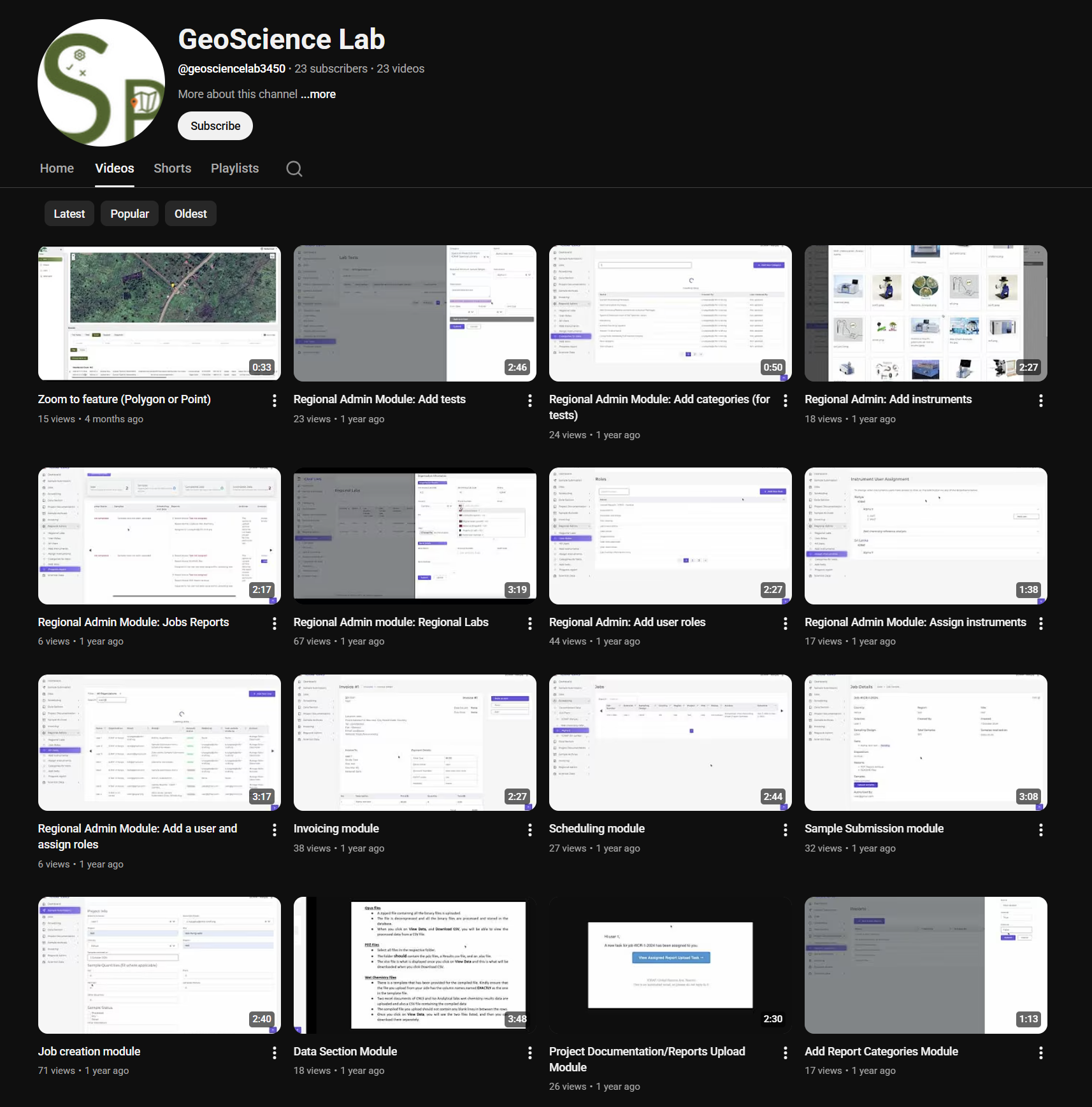
Explore video tutorials on using the Regreening App, and accessing your data through the DRS platform.
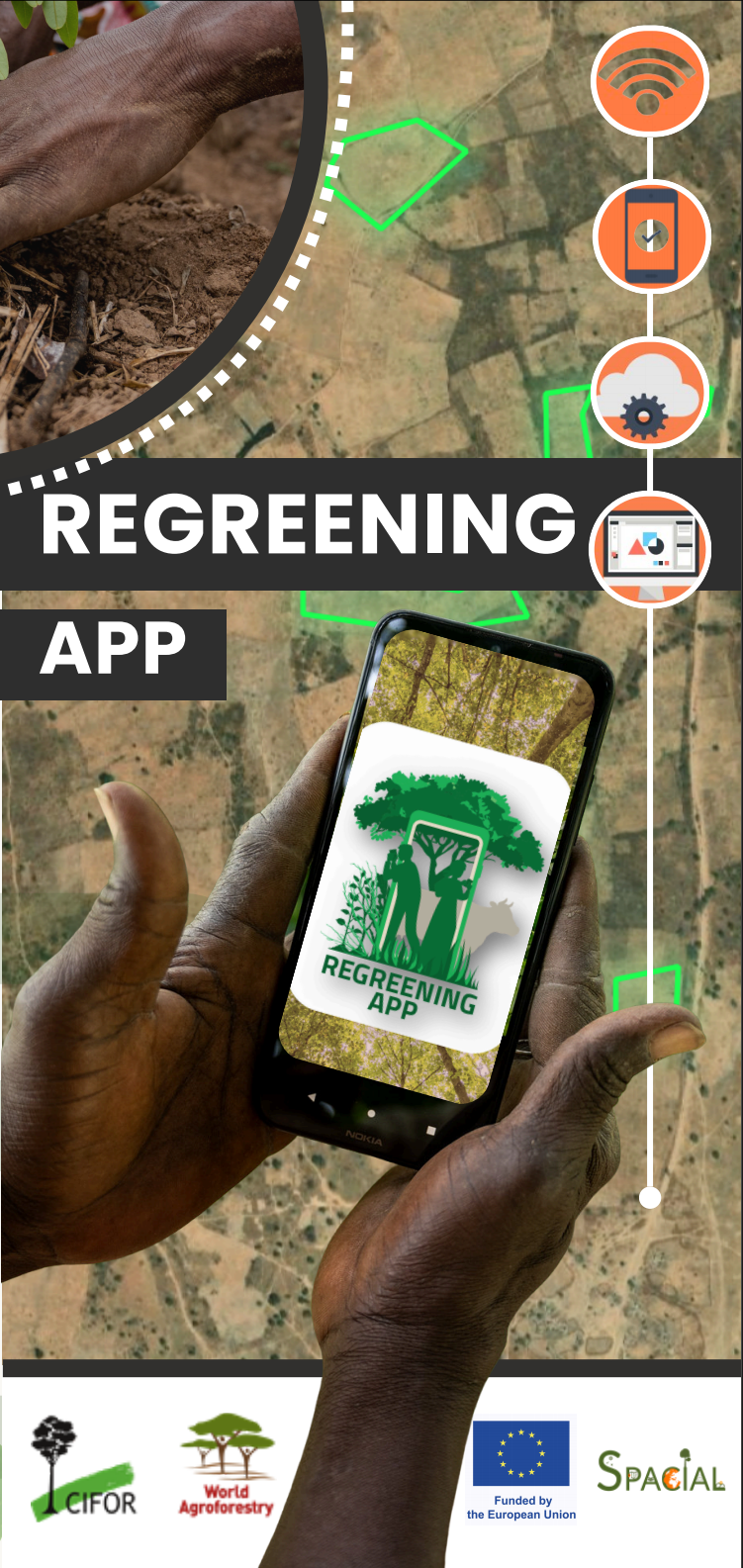
Learn more about the features of this citizen-science data-collection tool for restoration project monitoring.
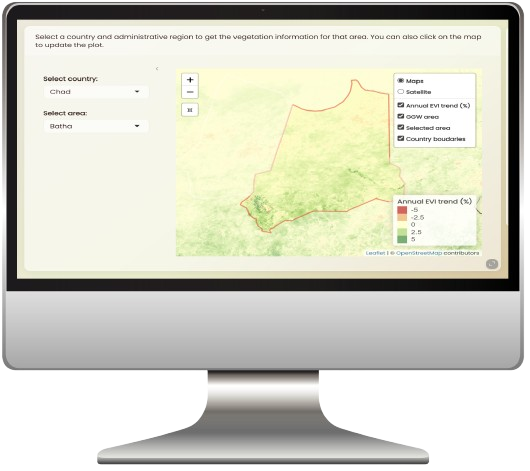
Learn more about the GGW dashboards for monitoring restoration progress and supporting evidence-based decision-making.