GGW Knowledge Management, Monitoring & Communication Workshop
Strengthening evidence systems, reporting, and regional coordination for the Great Green Wall
Knowledge Management, Monitoring & Communication Workshop
Strengthening evidence systems, reporting, and regional coordination for the Great Green Wall
Workshop focus
- Regional coordination and harmonization of monitoring systems
- Knowledge management and institutional learning
- Geospatial monitoring and restoration evidence
- Strategic communication and storytelling
- Interoperability between platforms and reporting systems
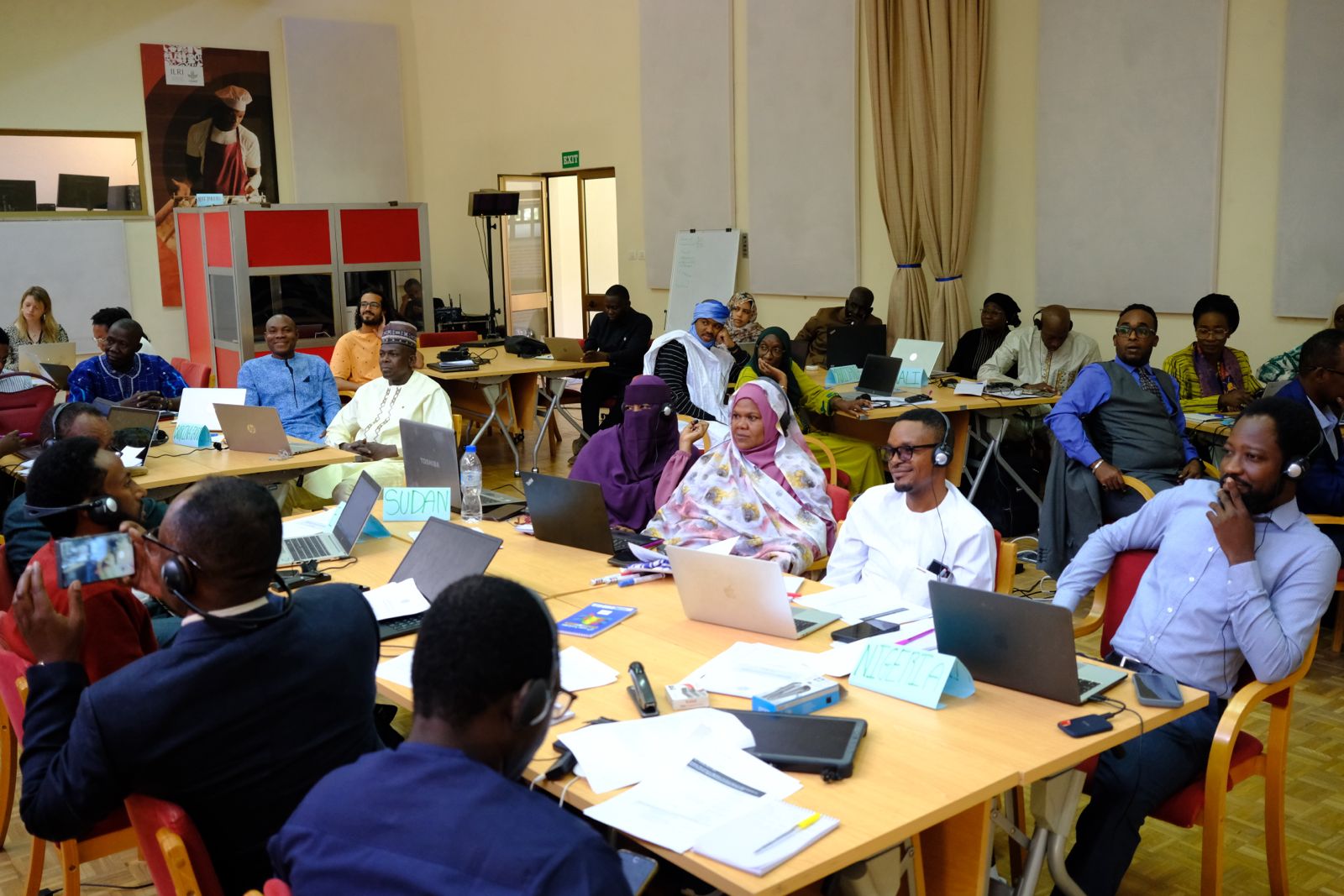 Participants of the regional Knowledge Management, Monitoring & Communication Workshop held in Addis Ababa, Ethiopia.
Building the evidence systems behind the Great Green Wall
Across the five-day workshop, discussions repeatedly returned to a central challenge facing the Great Green Wall initiative: how to transform fragmented projects, datasets, and reporting systems into a more coordinated and evidence-driven regional effort. Participants emphasized that while restoration activities are taking place across many countries, institutional systems for documenting, validating, and communicating those impacts remain uneven and often disconnected.
The workshop highlighted the growing importance of harmonized monitoring systems capable of linking field-level restoration activities to regional reporting frameworks and international commitments. Participants discussed the need for stronger interoperability between platforms, improved geolocation of interventions, and clearer frameworks for defining what constitutes a “Great Green Wall project.” These discussions reflected a broader recognition that restoration governance increasingly depends not only on implementation itself, but on the ability to produce credible, traceable, and spatially explicit evidence of impact.
Throughout the sessions, monitoring and evaluation were framed not simply as reporting exercises, but as part of a wider ecosystem connecting field data collection, geospatial analysis, communication, institutional learning, and decision-making. In this context, knowledge management and communication were positioned as strategic functions necessary for improving coordination, strengthening visibility, and supporting long-term investment and policy engagement around the Great Green Wall.
K4GGWA and geospatial decision-support
As part of the workshop, the CIFOR-ICRAF SPACIAL team presented the K4GGWA platform ecosystem and its role in supporting restoration planning, reporting, and knowledge sharing across the region.
The presentation introduced participants to the broader K4GGWA ecosystem, including geospatial dashboards, predictive land health layers, climate analytics, open-access data infrastructure, tutorials, and citizen-science monitoring tools such as the Regreening App. The platform was presented not only as a repository of information, but as a decision-support environment intended to help stakeholders navigate restoration evidence across multiple scales.
Particular attention was given to how geospatial data and predictive modeling can support different stages of the restoration decision cycle, including landscape assessment, targeting and prioritization, intervention design, monitoring, and reporting. Discussions also explored how harmonized indicators and interoperable spatial datasets can strengthen regional coordination and improve the consistency of restoration reporting between countries and institutions.
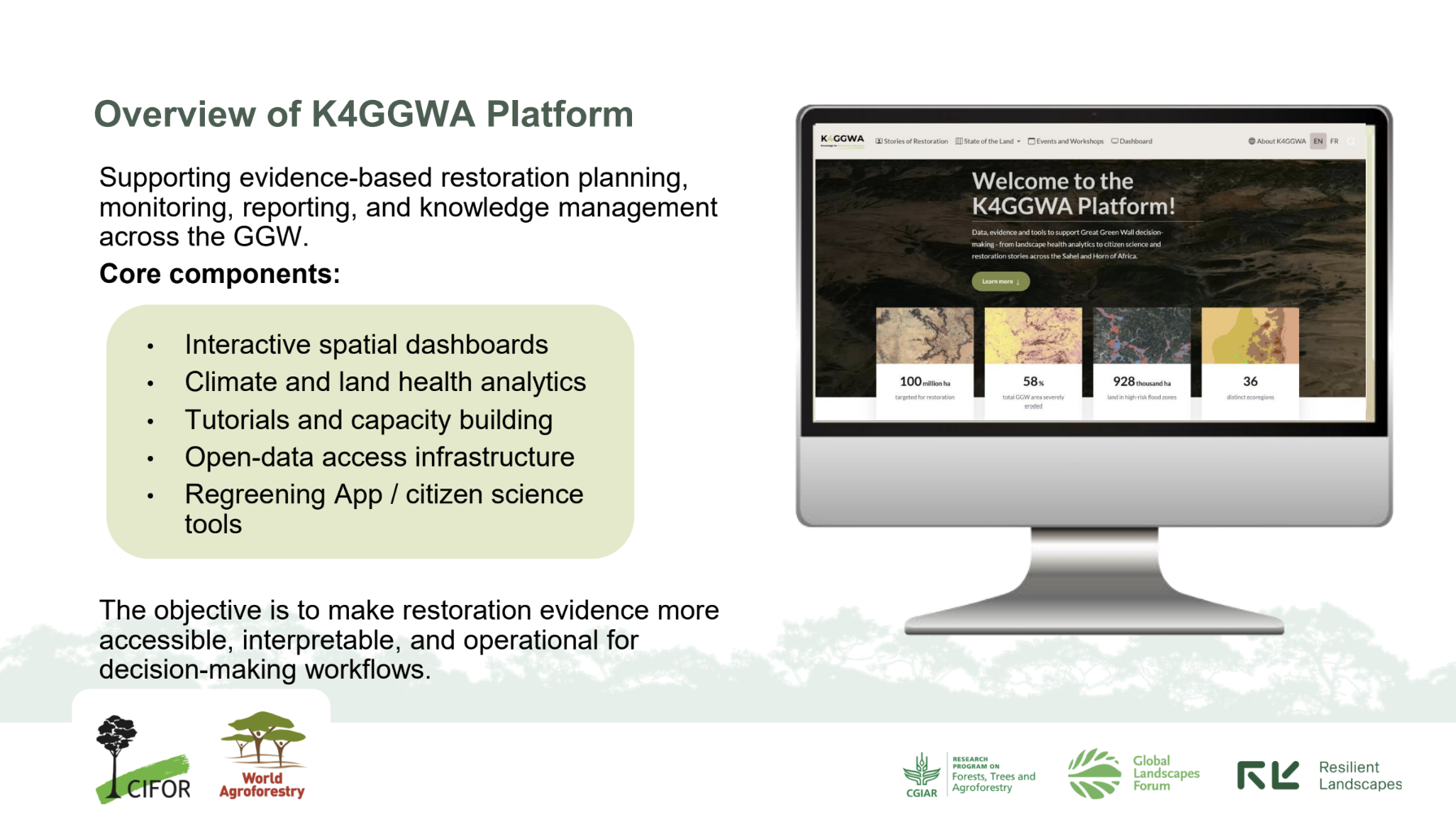 Demonstration of the K4GGWA geospatial decision-support platform and dashboard ecosystem.
From data to decision-making
One of the activities of the workshop was a practical demonstration of the platform, where participants were stepped through different features including dashboards - soil health indicators, vegetation trends, erosion risk, climate patterns, and restoration intervention data.
The exercise aimed to demonstrate how evidence systems can support more transparent and defensible restoration decision-making processes. Rather than viewing maps and dashboards as static outputs, participants engaged with them as tools for understanding tradeoffs, identifying intervention priorities, and supporting institutional reporting and planning processes.
The sessions also highlighted the broader shift occurring across restoration and climate governance, where geospatial technologies, remote sensing, and digital platforms are becoming increasingly central to monitoring ecological change and supporting adaptive management at scale.
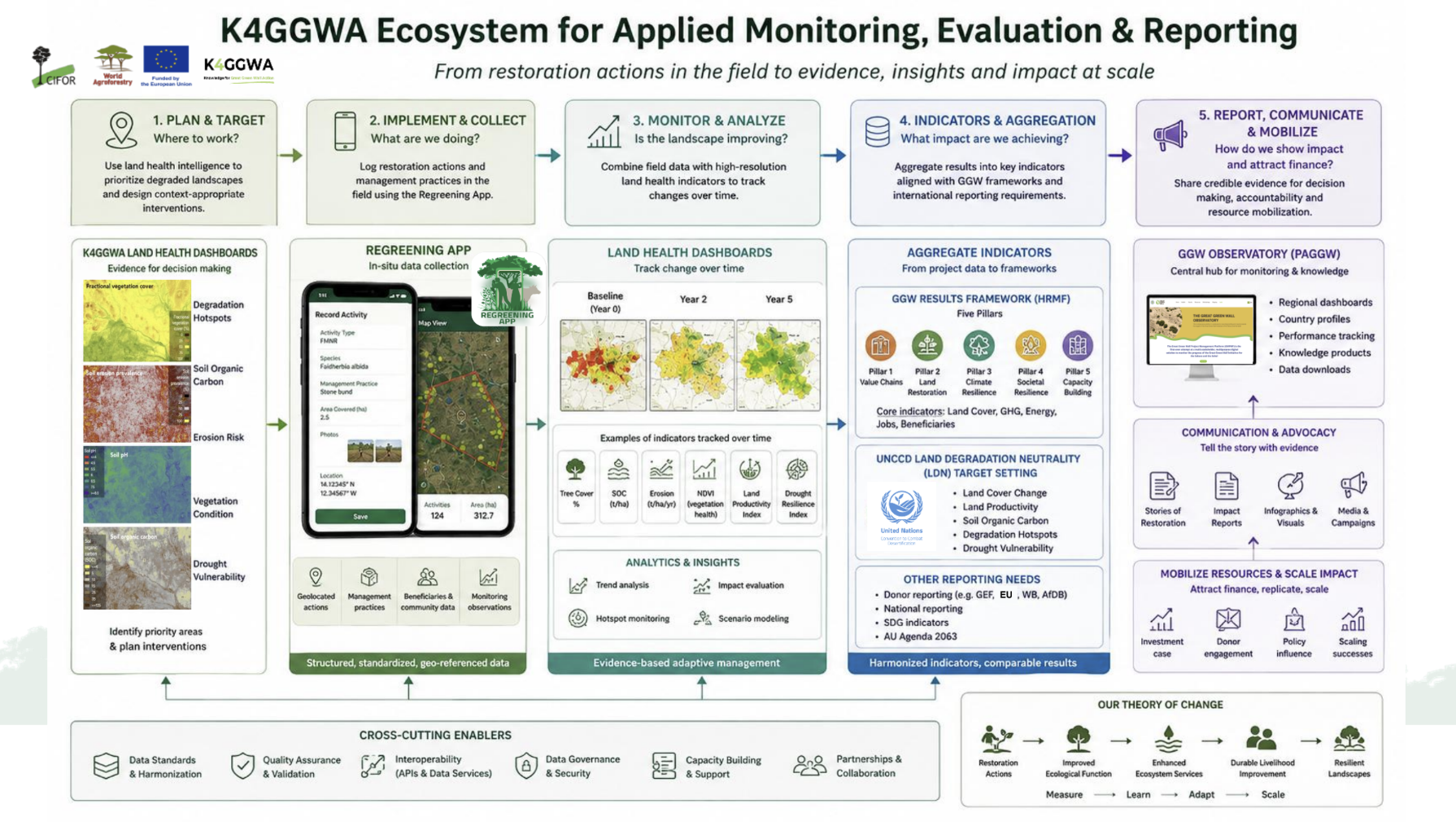
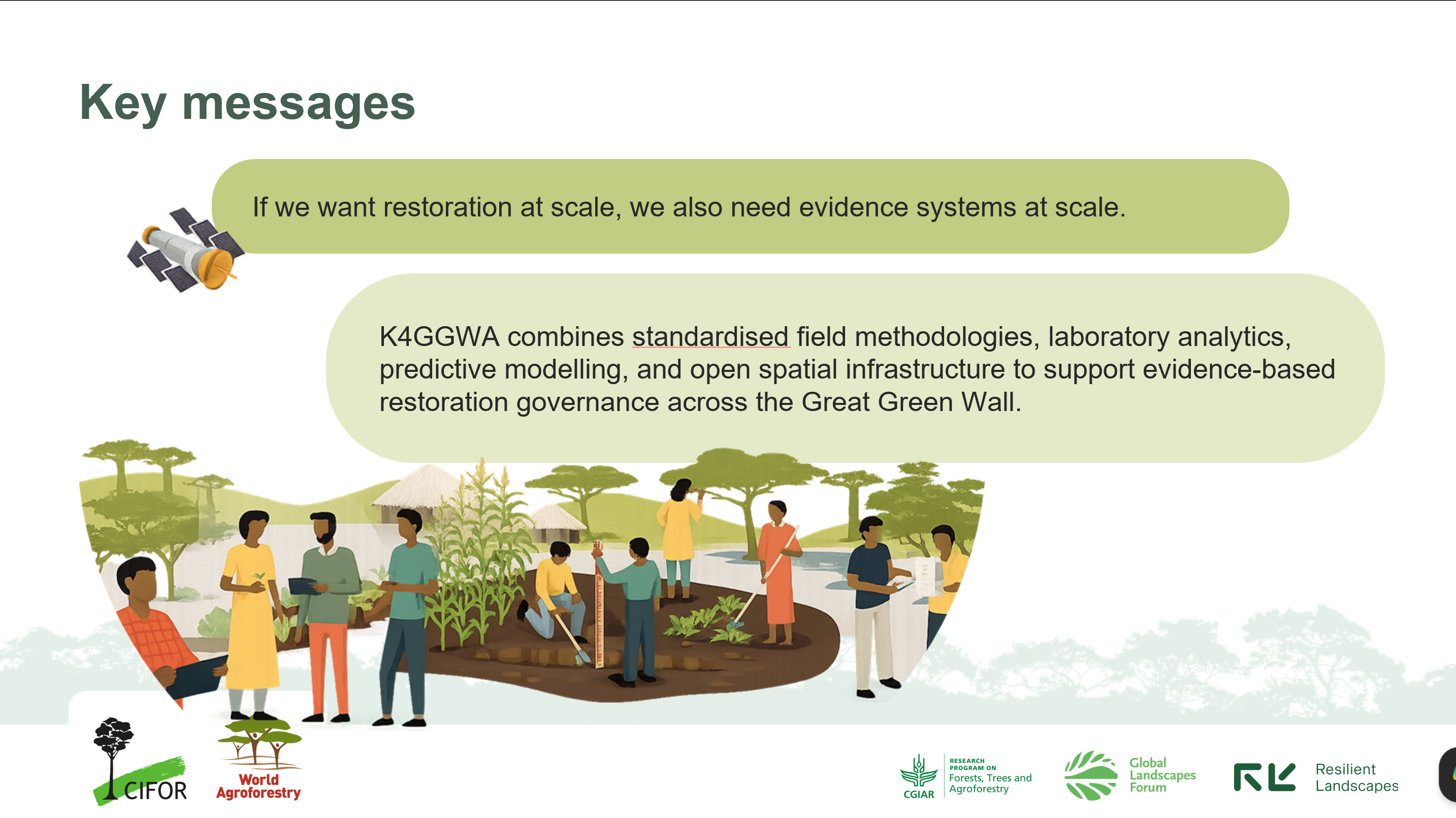 Demonstration of the K4GGWA geospatial decision-support platform and dashboard ecosystem.
Monitoring, reporting, and interoperability
A significant portion of the workshop focused on the growing ecosystem of monitoring and reporting platforms supporting the Great Green Wall. Sessions explored the GGW Observatory, FAO monitoring tools, remote sensing systems, regional geoportals, and knowledge management platforms developed by different partners and institutions.
While participants acknowledged the value of these systems, discussions also highlighted the risks of fragmentation and duplication where coordination mechanisms remain weak. Many sessions emphasized the need for interoperability between platforms, harmonized reporting frameworks, and stronger institutional governance around data collection and validation.
The conversations reflected a broader challenge increasingly visible across environmental governance systems globally: how to manage growing volumes of spatial and monitoring data while ensuring consistency, ownership, accessibility, and long-term sustainability. Participants repeatedly stressed that technical infrastructure alone is insufficient without strong institutional coordination, capacity building, and national ownership of monitoring systems.
Communication, storytelling, and visibility
Another major theme emerging throughout the workshop was the importance of communication and storytelling in shaping how the Great Green Wall is understood both regionally and internationally. Discussions focused on the need to move beyond narrow narratives centered only on tree planting and instead communicate the broader social, ecological, and economic dimensions of restoration across the Sahel and Horn of Africa.
Participants explored how evidence-based storytelling, visual communication, digital media, and geospatial narratives can help make restoration outcomes more visible and accessible to different audiences. National agencies shared experiences around audiovisual production, social media engagement, community radio, and multilingual communication strategies, while also identifying significant challenges related to funding, technical capacity, equipment, and institutional coordination.
The workshop also highlighted the importance of integrating communication, monitoring and evaluation, and knowledge management into a single coordinated system. Rather than operating independently, these functions were increasingly framed as interconnected processes that collectively support learning, reporting, advocacy, and institutional visibility.
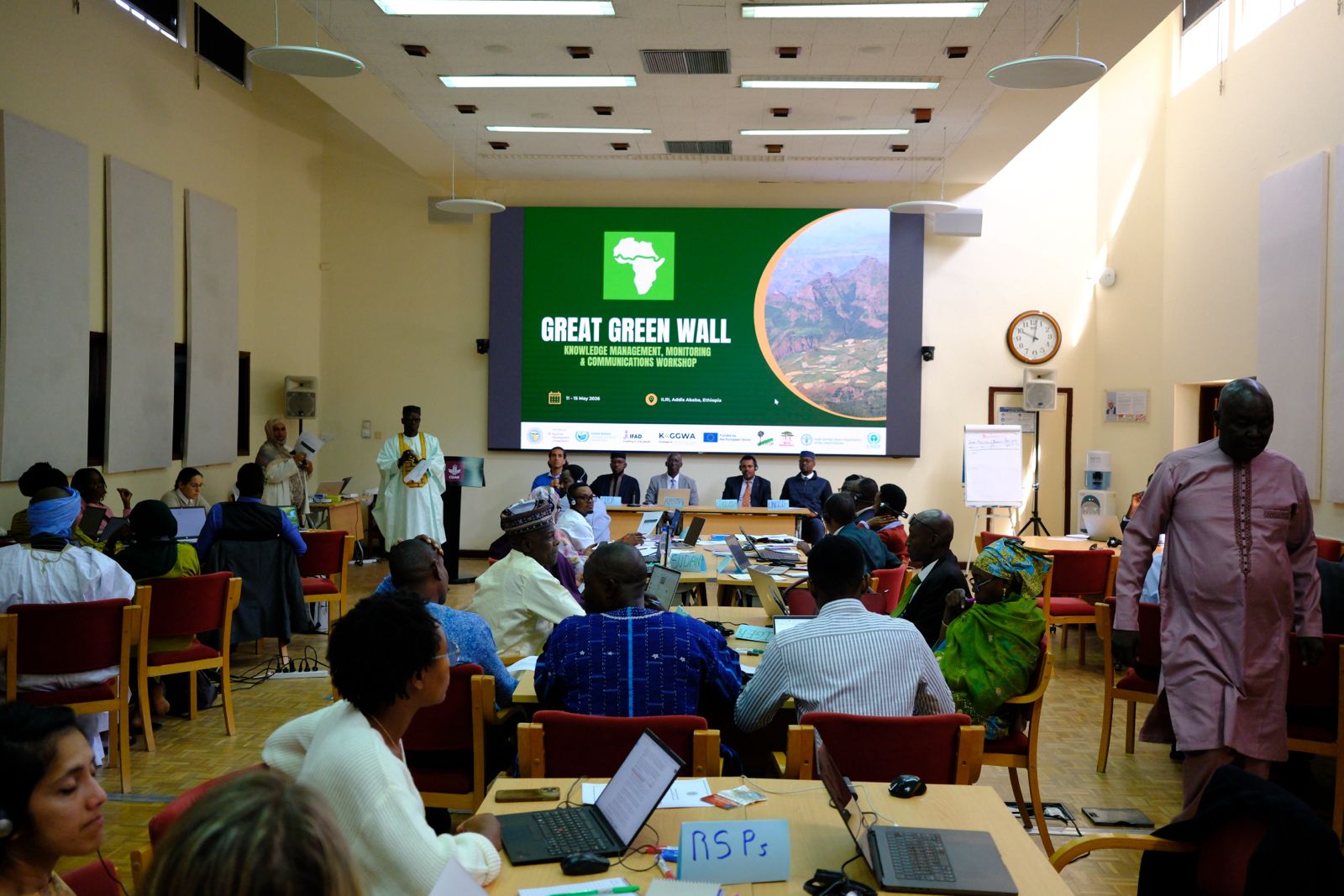 Sessions focused on communication strategy, knowledge management, and regional coordination mechanisms.
Looking ahead
The workshop concluded with discussions around the future of regional coordination, interoperability, and institutional strengthening within the Great Green Wall initiative. Participants emphasized the importance of sustaining collaboration between national agencies, regional institutions, and technical partners in order to build more coherent and integrated systems for restoration monitoring and knowledge management.
Many recommendations developed during the workshop focused on strengthening harmonized reporting systems, improving data governance, expanding capacity-building efforts, and improving the integration of communication and evidence systems across projects and countries. Particular emphasis was placed on ensuring that monitoring systems remain useful not only for reporting purposes, but also for learning, adaptive management, and strategic decision-making.
For K4GGWA and its partners, the workshop reinforced the growing importance of open, interoperable, and science-based digital infrastructures capable of supporting restoration governance across multiple scales. As countries prepare for future regional and international processes, including UNCCD COP17, the discussions in Addis Ababa highlighted the central role that evidence systems, geospatial analytics, and collaborative knowledge infrastructures will play in shaping the next phase of the Great Green Wall.
Learn more
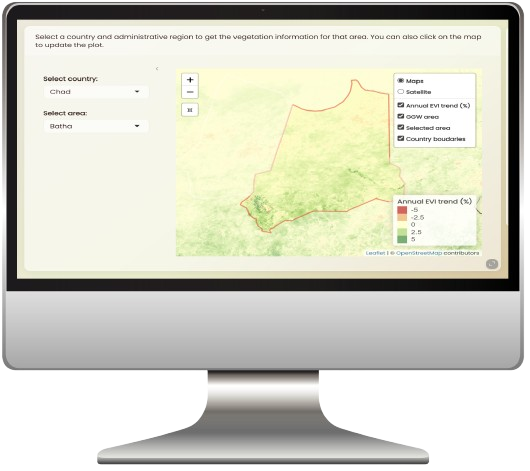
Explore the Knowledge for Great Green Wall Action platform, including dashboards, restoration evidence layers, tutorials, and geospatial decision-support tools.
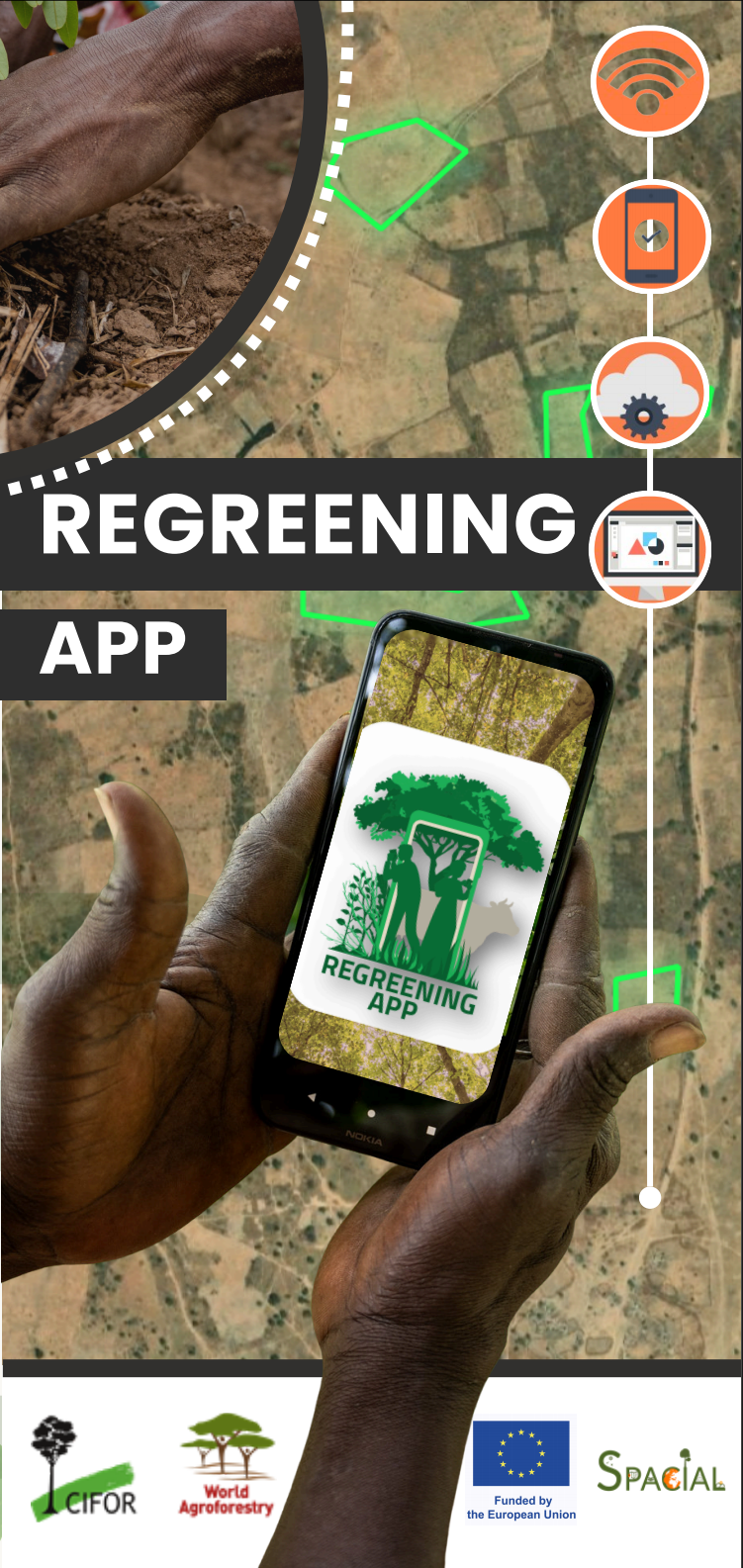
Learn more about the Regreening App ecosystem for restoration monitoring, geolocated field data collection, and citizen science workflows.
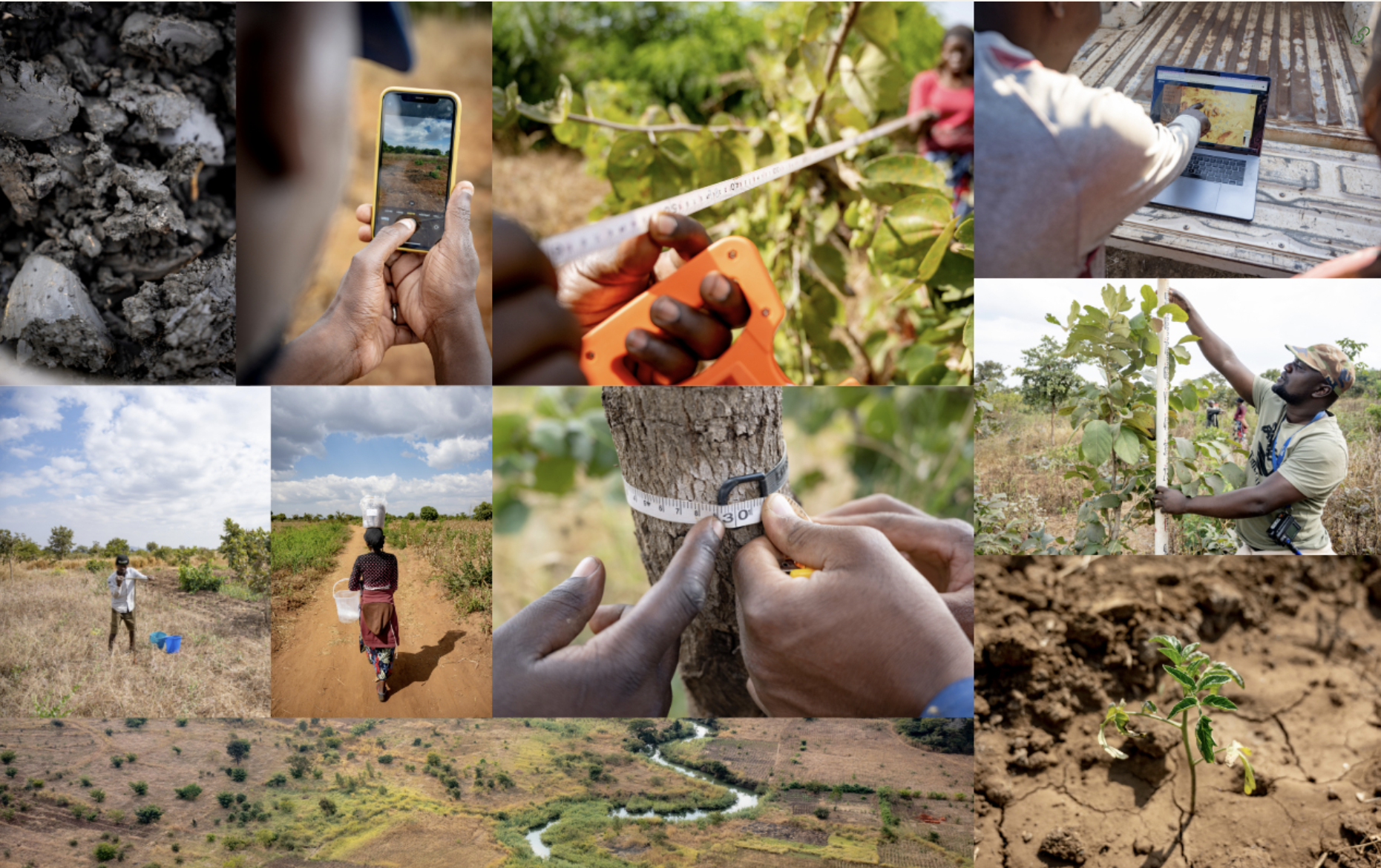
Discover the standardized field methodology and predictive modeling workflows underpinning many land health datasets used across the Great Green Wall region.